
Pests, Invasives and Biological Risk News Jan 2026
Cannibal Jellyfish Invade Venice Waterways
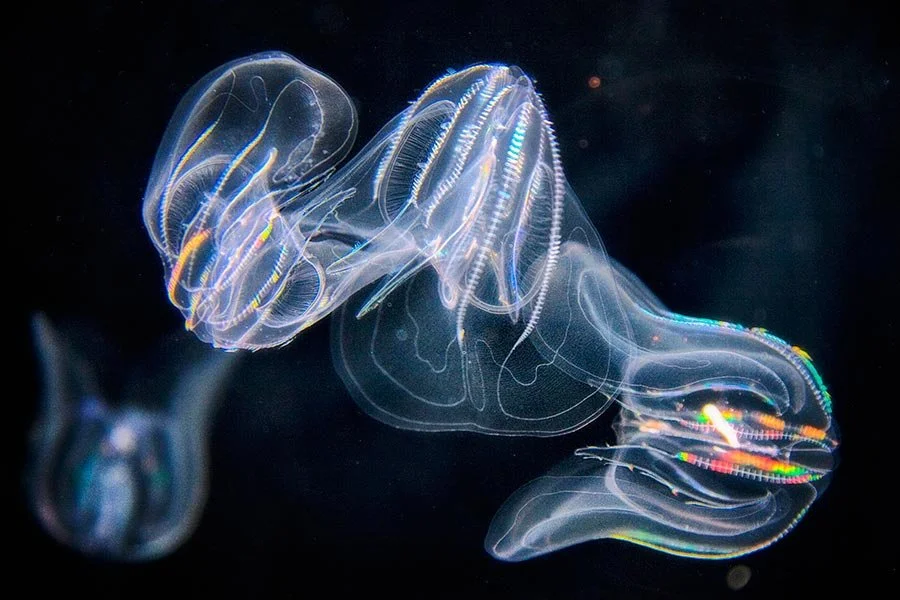
Venice’s waterways have become home to an unwelcome new resident, as cannibalistic jellyfish have disrupted the city’s native fish populations, wreaking havoc on fishermen’s trade. The warty comb jellyfish, one of the 100 most harmful invasive species globally, is known for its voracious appetite, consuming its own offspring, as well as clogging fishing and eating fish eggs, larvae and plankton, which are essential to life flourishing in a lagoon ecosystem.
While typically inhabiting the western Atlantic, stretching from the Arctic to the southern tip of South America, it has recently colonised the Adriatic Sea after being accidentally transported in ships’ ballast water. Scientists warn that the jellyfish’s recent proliferation in the Adriatic is driven by warmer seas brought on by the changing climate, with researchers reporting that populations bloomed in late spring and between late summer and early autumn, likely influenced by elevations in temperature and optimal salinity levels. The species now shares Venice’s lagoons with another invasive threat, Atlantic blue crabs, which prey on clams and mussels, further straining the region’s fishing industry valued at billions of euros.
Grey Squirrels Face Contraceptive Control Measures in UK
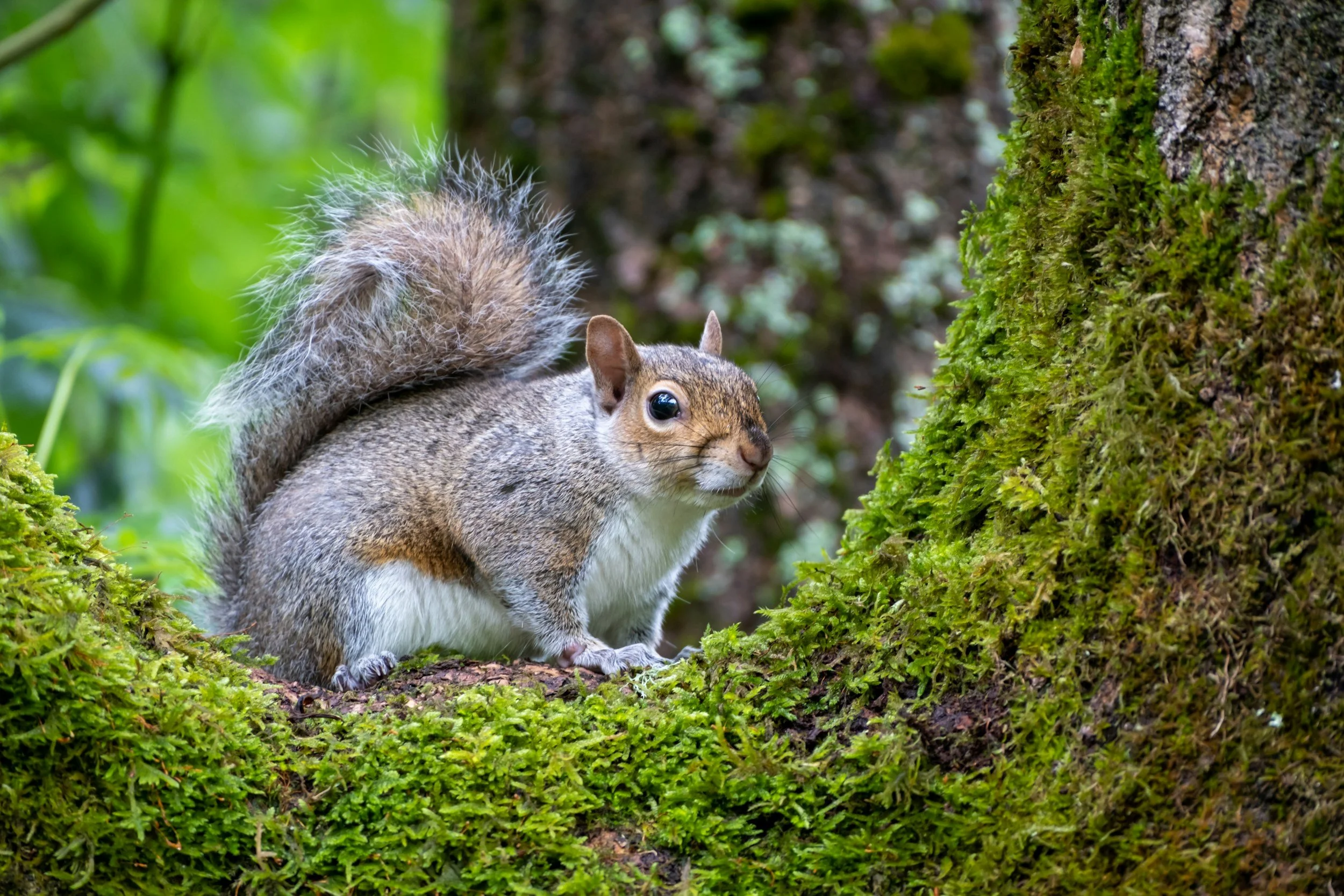
The UK government is supporting research into a contraceptive “pill” for grey squirrels to curb the damage these rodents inflict on Britain’s woodlands and its native red squirrel population, forming part of a multi-faceted strategy against the invasive species. Officials will monitor reintroduced pine martens in Gloucestershire’s Forest of Dean, assessing their impact on grey squirrel numbers, following successes in Ireland and Scotland, whilst landowners are encouraged to take action with grants for traps and support for trained volunteers managing the non-native species.
These initiatives address grey squirrels, whose population has reached 2.7 million across Great Britain since their 19th-century North American introduction, and who aggressively out-compete native red squirrels for food whilst transmitting the squirrel pox virus, which is fatal to reds but rarely to greys. Native red squirrel numbers have plummeted to just 38,900, pushed to England’s fringes, whilst grey squirrels damage woodlands by stripping bark, with the economic cost estimated at £37 million annually in England and Wales. The Environment Department (Defra) stated that with current control methods often labelled “ineffective” and amid public support for non-lethal control, it would continue to support research into developing an oral contraceptive delivered in a feeder that only grey squirrels could access.
https://www.independent.co.uk/news/uk/home-news/grey-squirrels-uk-population-control-b2910401.html
Montana fearful as Aquatic Invasive Species Continue to Spread Across the US

Aquatic invasive species continued their spread in 2025 across the US despite the best efforts of state wildlife officials, as volunteers and biologists collected 3,200 samples from more than 300 Montana waterbodies throughout the year. The samples were analysed for eDNA and other microscopic particles indicative of the bevy of invasive aquatic species that have descended on North America’s waterways in past decades, culminating in about a dozen new occurrences of aquatic invasive species catalogued by year’s end. Of particular concern are zebra and quagga mussels, both species of mollusk hailing from eastern Europe, which breed voraciously in North American waters where they have no natural predators, often clogging drainpipes and damaging docks, boats and other infrastructure. Montana is one of only 10 states with no known occurrences of either species, according to data from the United States Geological Survey.
Whilst state funding for the programme is stable, several federal agencies have pulled support for the initiative, with the United States Army Corps of Engineers reducing its annual contribution to the state inspection programme. However, the agency plans to install new signage at some stations to ensure passing motorists are aware of their obligation to stop, with several inspectors slated to operate 26 boat inspection stations across the state, requiring boaters travelling with vessels to undergo inspection before launching.
Mediterranean Sea Faces Escalating Invasive Species Threat

The Mediterranean Sea is warming 20% faster than the rest of the planet and now shelters the most invasive species in the world, prompting MEPs to call for urgent protection measures. European parliamentarians from the Fisheries Committee have adopted a report with 21 votes in favour calling for an integrated ecosystem-based approach to fisheries management, with focus on the conservation of sensitive species including cetaceans, sharks and rays.
The updated EU list in July 2025 includes only two marine species, which MEPs consider insufficient given that invasive species pose an increasing threat to biodiversity and fishermen through reduced catches, damaged equipment and rising costs. The article explains that sensitive species have a unique role in marine ecosystems, providing early warnings for ecological imbalances and acting as indicators of ocean resilience, whilst European parliamentarians warn these species face increasing threats from invasive alien species. MEPs advocate for full implementation of marine protected areas, use of selective fishing gear to minimise bycatch, fair compensation for fishermen losing access to fishing areas, regional monitoring systems using new technologies like eDNA and artificial intelligence, and campaigns to engage fishermen in detecting new invasive species.
https://informat.ro/en/environment/the-mediterranean-sea-is-warming-20-faster-103087
Viruses on Plastic Surfaces Facilitate Antibiotic-Resistant Bacteria
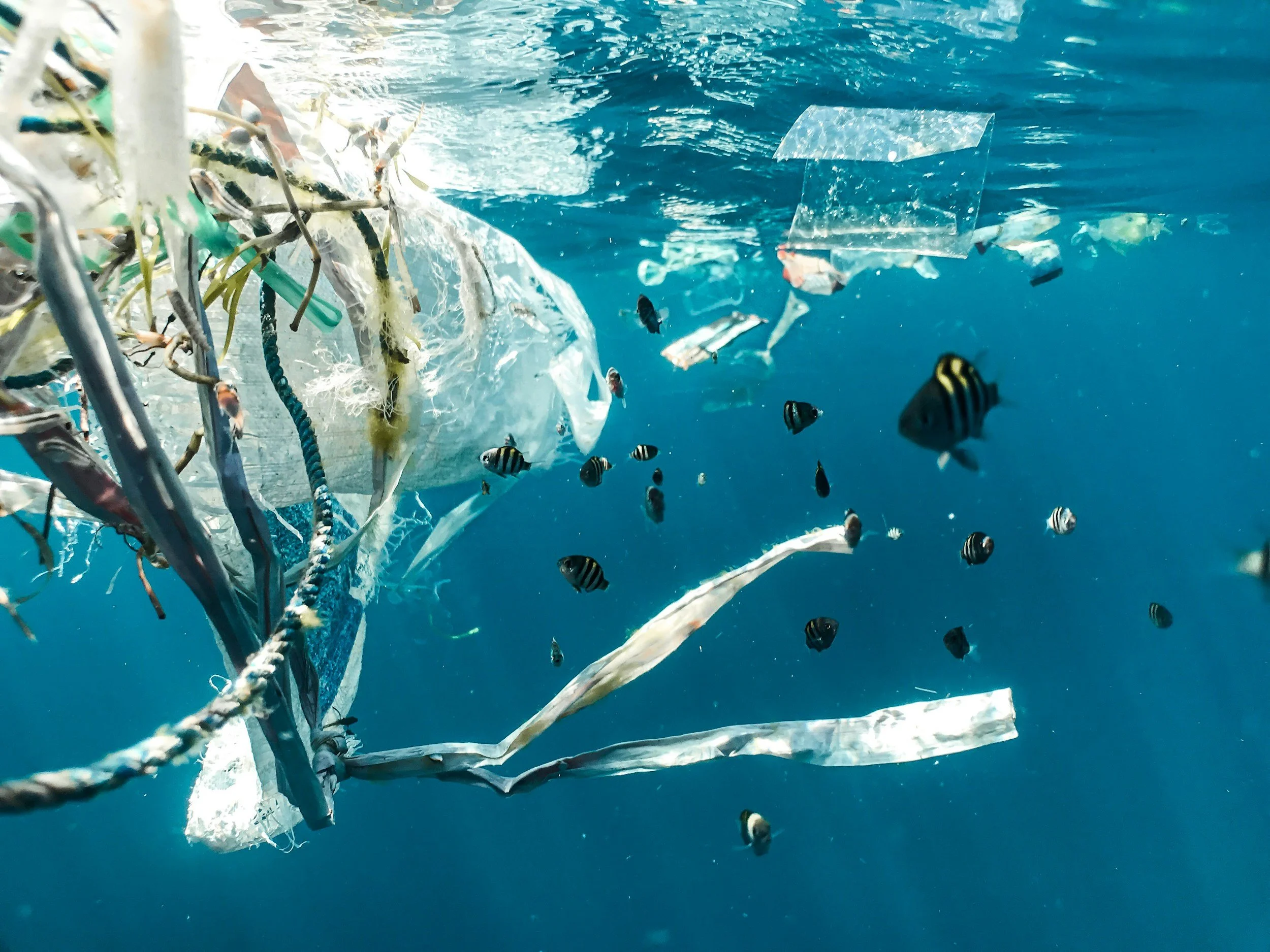
A new study from Shenyang Agricultural University has revealed that viruses residing on plastic surfaces in the ocean could play a significant role in creating antibiotic-resistant bacteria. Researchers discovered that viruses in the plastisphere carry out horizontal gene transfer, a process whereby viruses transfer genes between potential pathogens such as bacteria, potentially giving those pathogens genes that make it easier to resist antibiotics.
This research holds important implications for public health, particularly for older people, those receiving inpatient hospital care, and individuals with weakened immune systems who are most susceptible to antibiotic-resistant infections. According to the Smithsonian, the plastisphere serves as the thin coating that microscopic organisms create on pieces of plastic in the ocean. Efforts to reduce plastic pollution could shrink the plastisphere and diminish the places where viruses can live and mutate, thereby reducing the opportunities for viruses to pass antibiotic-resistant genes to bacteria.
https://www.thecooldown.com/green-tech/viruses-plastisphere-antibiotic-resistance-bacteria-plastic/
Worldwide Nature Loss Identified As National Security Risk for UK
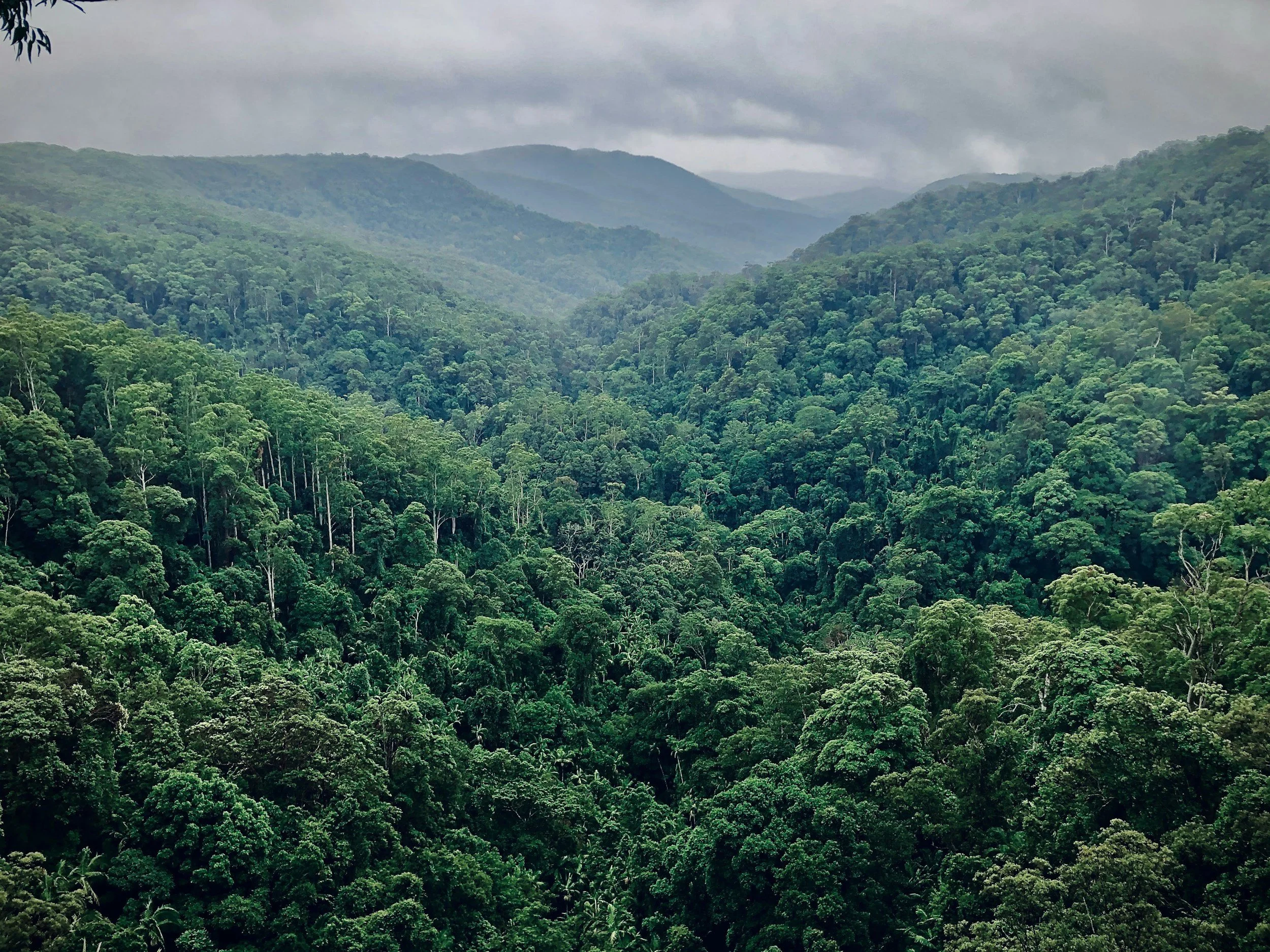
The decline in the health of nature around the world poses a threat to the UK’s security and prosperity, according to intelligence committee findings in a long-awaited report. The report draws attention to an extreme, “reasonable worst-case scenario” for the impacts of nature loss on the UK’s security, highlighting six ecosystem regions which it calls “critical for UK national security”, based on the likelihood of these ecosystems collapsing and the impacts were they to do so, including the rainforests of the Amazon and the Congo basin, the boreal forests of Russia and Canada, the coral reefs and mangroves of South East Asia, and the Himalayas.
These ecosystems are on the “pathway to collapse”, the report warns, if current rates of nature loss continue, though exactly when this would happen, and how long it would take, remains uncertain. The report draws attention to several possible impacts on the UK’s security from ecosystem degradation and collapse, from rising migration and geopolitical competition to a higher risk of pandemics and economic insecurity, with particularly strong warnings reserved for the potential consequences for UK food supplies. The document explains that ecosystem degradation or collapse “will challenge the UK’s food security”, pointing to its reliance on global markets for food and fertiliser, noting that if major food-producing regions were hit, some foods would become scarcer, driving up prices globally and potentially restricting choice.
Acquisitions
BASF Agricultural Solutions to Acquire AgBiTech Group

Image Credit: BASF
BASF Agricultural Solutions has reached an agreement with private equity firm Paine Schwartz Partners and other shareholders to acquire its portfolio group, AgBiTech, which specialises in biological insect control solutions. BASF will assume full ownership of AgBiTech, including all assets such as portfolio, intellectual property rights and manufacturing operations, as well as insect control solutions based on naturally occurring viruses, with operations in Brazil, the United States and Australia serving farmers growing soybean, corn and cotton as well as speciality crops.
With closing anticipated during the first half of 2026, the acquisition will enable BASF to offer farmers an urgently needed differentiated solution for controlling insects, particularly in Brazil, where the biological crop protection market is experiencing rapid growth. Brazil is one of the fastest-growing markets for biological crop protection, with this planned acquisition representing a consequent step in executing BASF’s strategy that strengthens its presence as an integrated solution provider in this highly relevant segment.
https://www.basf.com/global/en/media/news-releases/2026/01/p-26-005
Funding Rounds
Barnwell Bio Raises $6M for Metagenomic Biosurveillance Platform

Image Credit: Barnwell Bio
Barnwell Bio, a precision animal health intelligence company, has raised $6 million in seed funding to scale its metagenomic biosurveillance system, a platform that provides poultry producers and stakeholders across the poultry supply chain with an early warning window against emerging disease threats. The round was led by Twelve Below, with participation from Max Ventures, Dorm Room Fund, Banter Capital, Planeteer Capital, AgVentures Alliance, Daybreak Ventures, Alumni Ventures and AgLaunch Farmers. Founded by the team that helped build the US COVID-19 wastewater monitoring infrastructure, Barnwell Bio is unlocking barn-level data to drive profitability and biosecurity in an era of rising regulatory pressure and global disease challenges.
The capital will be used to scale Barnwell’s footprint across the U.S. poultry belt, focusing on the Midwest and Southeast, with beyond geographic expansion, the company investing heavily in its proprietary metagenomic insights engine, which captures the entire microbial ecosystem of a barn rather than looking for a single pathogen, translating hundreds of infectious diseases like Highly Pathogenic Avian Influenza (HPAI) that have already cost the U.S. economy over $14 billion in 2024-2025 alone.
SenseUP Raises €3 Million for RNA-Based Biopesticides

Image Credit: SenseUp
SenseUP, a start-up developing biopesticides featuring double-stranded RNA (dsRNA) to selectively target plant pests via RNA interference, has raised €3 million ($3.5 million) in a seed round led by Capnamic. The round, which also drew support from Simon Capital, Rockstart, CHECK24 Impact and HBG Ventures, will help the Cologne, Germany-based start-up build its portfolio, grow its team and expand strategic collaborations with leading agricultural industry players.
The company uses RNA to selectively interfere with target genes in insects, nematodes, fungi and viruses. RNA interference (RNAi) can be used as a precision tool to attack pests without damaging soil, plants or wildlife, making it an attractive alternative to traditional chemical pesticides, which are becoming less effective, carry environmental concerns and at the whims of regulatory reform.
