
Pests, Invasives and Biological Risk News 11/02/2026
Alpha-Gal Syndrome Cases Surging Across the U.S.
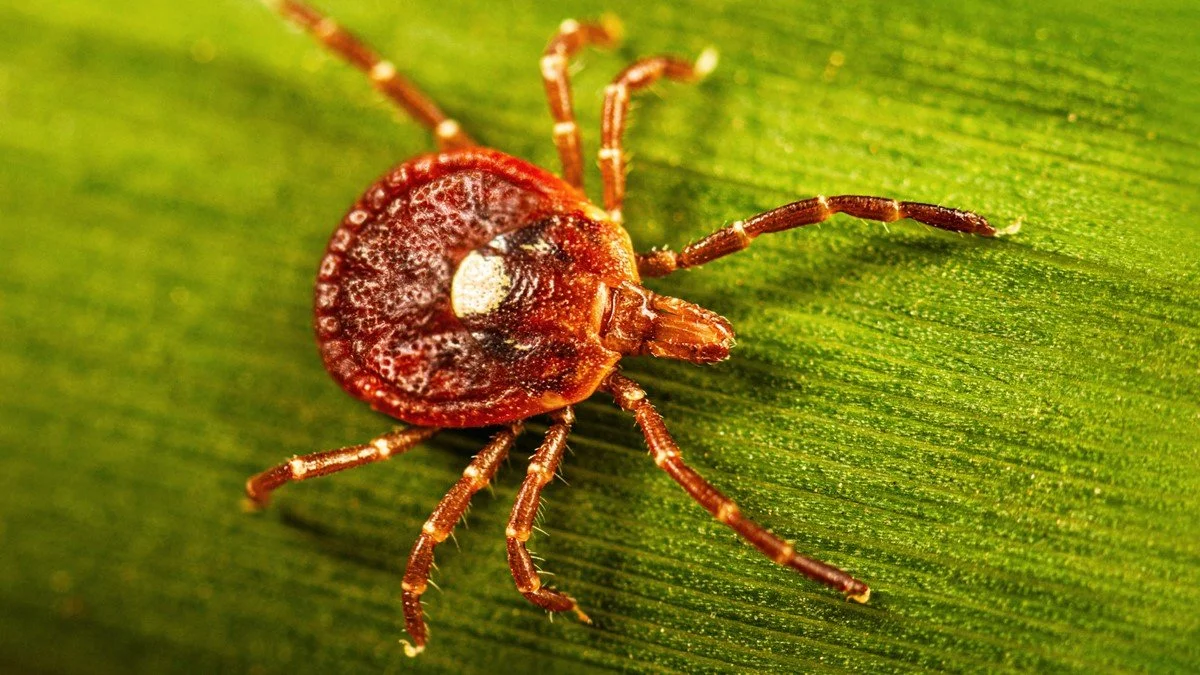
South Carolina has added alpha-gal syndrome, a tick-borne illness that triggers a potentially life-threatening allergy to red meat and other mammal-derived products, to its official list of reportable diseases, requiring laboratories to flag cases to the state's Department of Public Health. The CDC estimates up to 450,000 Americans may be affected, with research from Virginia Commonwealth University revealing a 100-fold increase in positive antibody tests between 2013 and 2024.
The surge is driven by the lone star tick, which has been extending its range northward and westward as warmer winters and growing deer populations expand suitable habitat.
Cases are now spreading well beyond the traditional Southeast stronghold into the Northeast and Midwest. Rising temperatures are compounding the problem, fuelling broader increases in tick-borne illnesses across the country. Lawmakers in several states are pushing for similar reporting requirements, with Missouri Representative Matthew Overcast planning to reintroduce a bill covering both alpha-gal and Lyme disease.
https://www.thecooldown.com/outdoors/alpha-gal-syndrome-reportable-disease-south-carolina-ticks/
Cities as Evolutionary Incubators: New Research on the Spotted Lanternfly Invasion
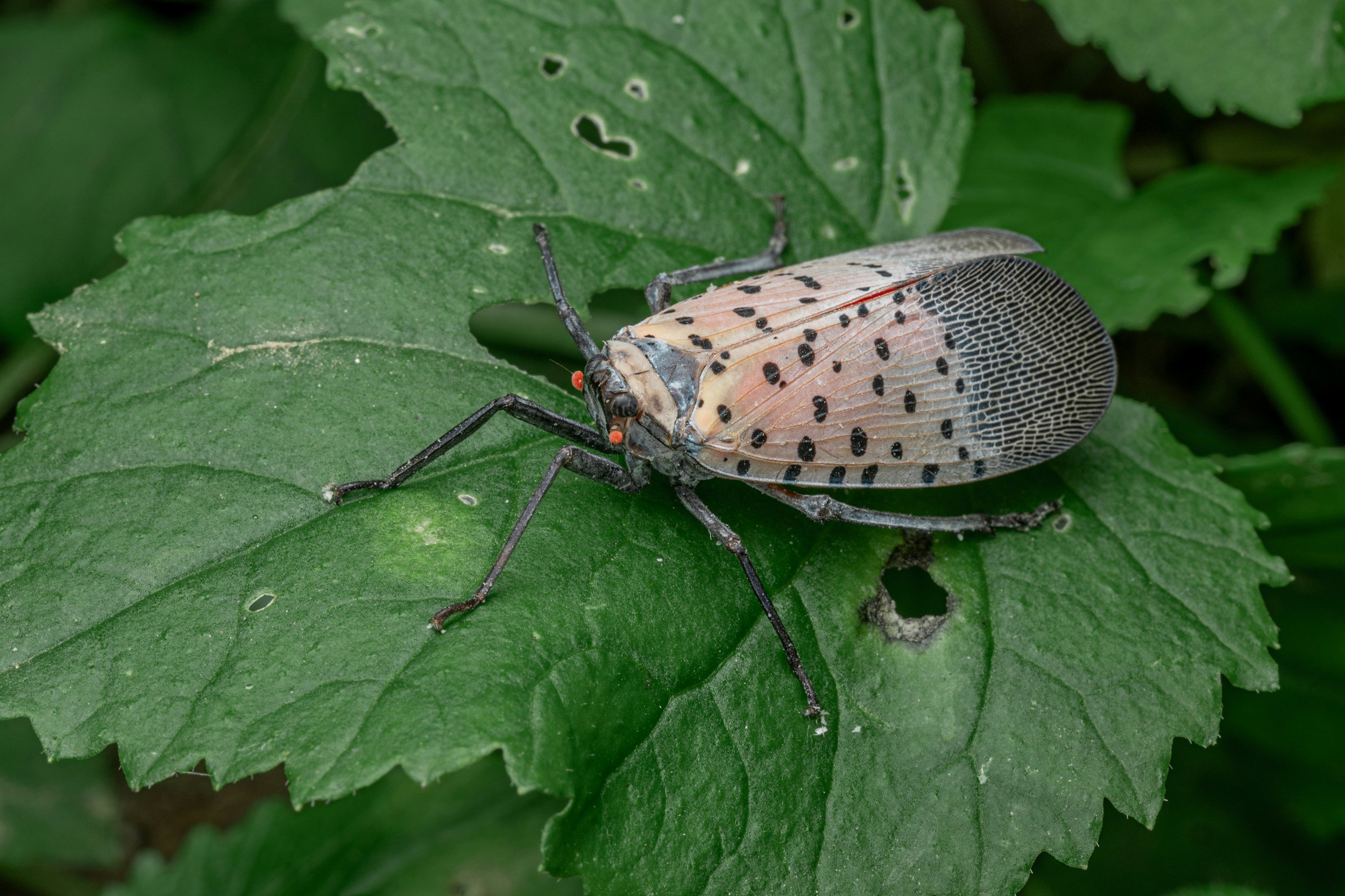
New research published in the Proceedings of the Royal Society B sheds light on why spotted lanternflies, an invasive species originally from China , have thrived so successfully since arriving in the United States in 2014, despite the genetic bottleneck that typically limits invasive populations.
Researchers from New York University sequenced lanternfly genomes from rural and urban areas in both China and the U.S., finding that American lanternflies were genetically similar across distances of 120 miles, whilst Chinese urban and rural populations showed significant differences despite being just 20 miles apart. Critically, urban lanternflies in both countries displayed genetic changes in stress response genes, equipping them to cope with heat, pollution, and pesticides.
The key finding is that the invasion force likely originated from China's city-dwelling populations , already pre-adapted to urban stresses, which helps explain why species like the lanternfly spread so effectively through cities like New York. The researchers describe cities as "evolutionary incubators" that can prime invasive species for success in new environments, arguing that invasive species research and urbanisation trends must be studied together rather than in isolation.
https://nautil.us/the-crucial-role-of-cities-in-the-lanternfly-invasion-1265741/
Gene Drives, Modified Mosquitoes, and the Biological Risks of Engineering Wild Populations
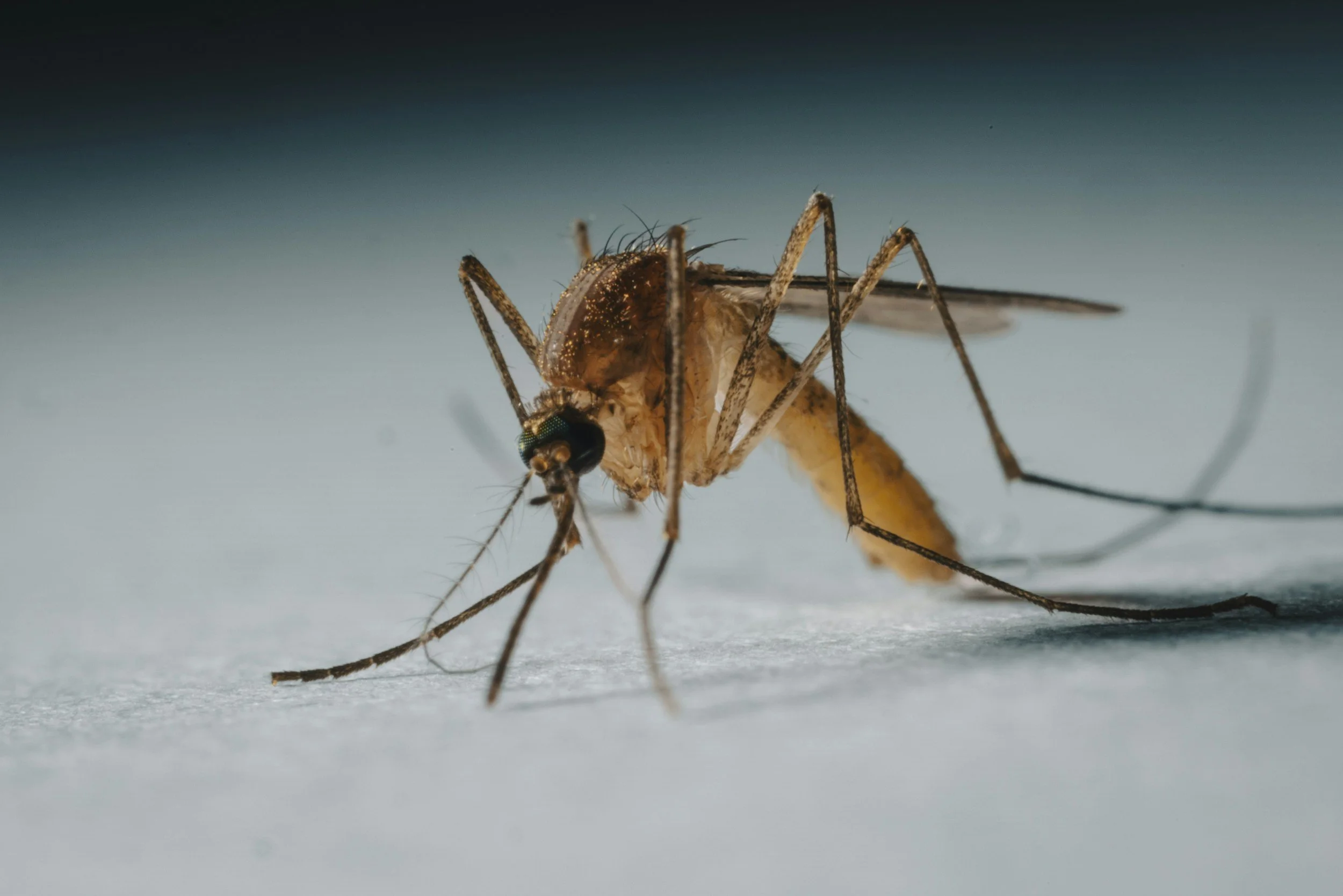
The intersection of pest control, invasive species management, and biotechnology is raising urgent questions in East Africa. A wave of social media claims in Kenya recently alleged that genetically modified mosquitoes linked to Bill Gates-funded projects were swarming communities and resisting common repellents. The Gates Foundation Africa firmly denied the allegations, stating it does not release mosquitoes or operate laboratories that do so, with Kenya's own authorities leading malaria prevention efforts in the country.
The controversy has drawn attention to gene drive technology, a genetic engineering approach that modifies the DNA of malaria-carrying mosquito species so that engineered traits spread rapidly through wild populations. Unlike conventional modifications that dilute over generations, gene drives ensure nearly all offspring inherit the change, making the intervention potentially self-sustaining. With malaria killing nearly 600,000 people annually and existing tools losing ground to insecticide resistance and climate-driven habitat expansion, gene drive is pitched as a powerful long-term addition to the toolkit.
However, this is where the biological risk angle becomes critical. A gene drive, once released, is designed to spread on its own, making it fundamentally different from other interventions and extremely difficult to reverse. Critics raise serious questions about the unintended ecological consequences of permanently altering or collapsing a wild insect population, blurring the line between pest control and ecological manipulation at a scale never before attempted. Research remains confined to high-containment laboratories, with any future field trials requiring phased regulatory approval, independent safety reviews, and community consent.
https://www.tuko.co.ke/editorial/explainer/617439-gene-drive-technology-bill-gates-sponsored-science-genetically-modified-mosquitoes
When Invasive Species Rewrite the Rules: The Catfish That Hunts Pigeons
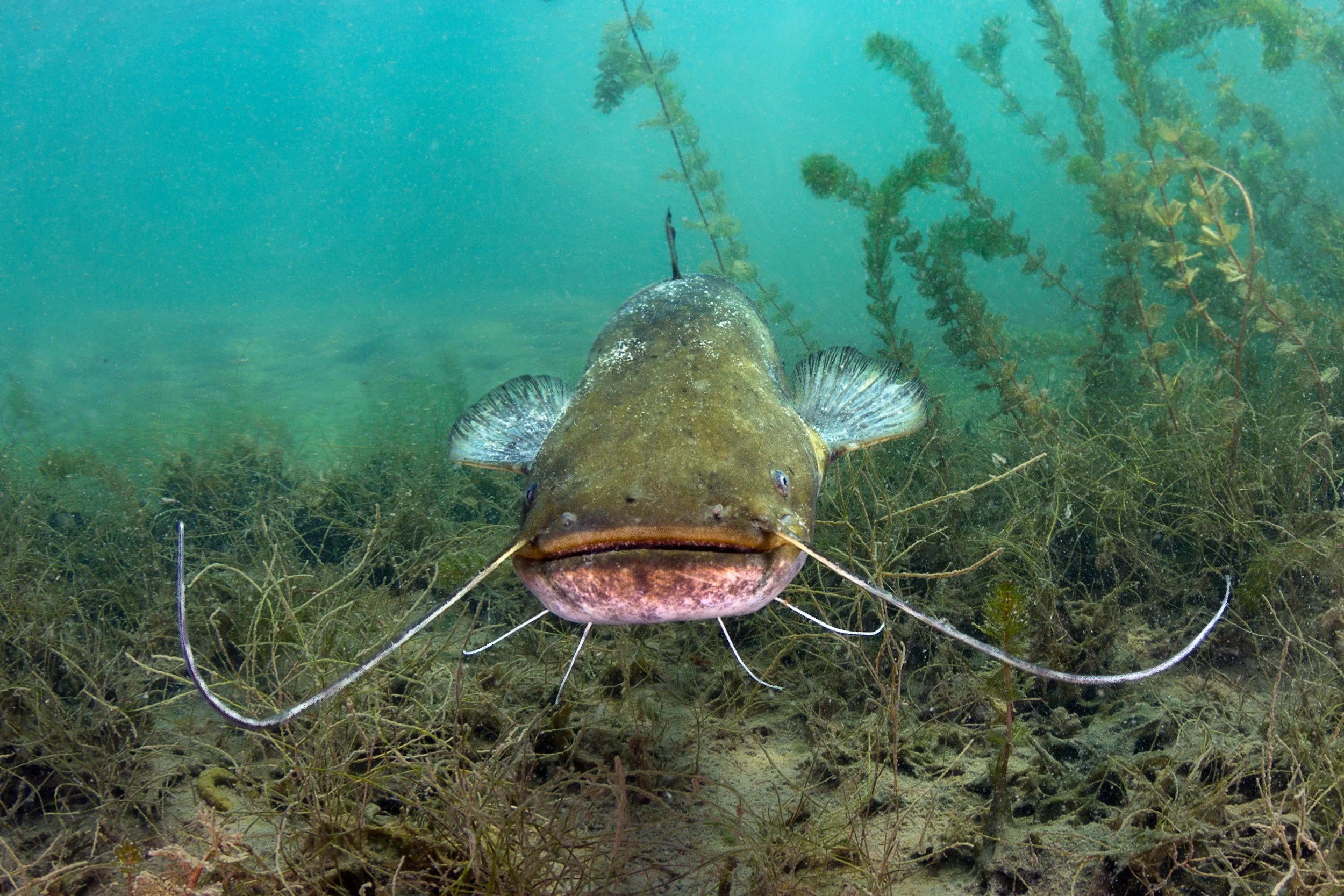
Invasive species pose one of the most serious biological risks to ecosystems worldwide, and few examples illustrate this as dramatically as the Wels catfish in southern France. Native to eastern Europe, the Wels catfish, one of the largest freshwater fish on the continent and reaching up to two metres in length, was introduced into western and southern European rivers by recreational anglers.
In its new habitats, the species has severely depleted local fish populations, with David Attenborough noting in Planet Earth II that they have virtually wiped out native fish stocks in some waterways.
But the threat extends beyond conventional predation. In the Tarn River in Albi, France, these giant predators have developed a remarkable hunting behaviour: lunging out of the water to snatch pigeons from the riverbank, a beaching tactic similar to the way orcas strand themselves to catch sea lion pups. This behaviour has never been observed in the catfish's native range, suggesting it is a novel adaptation to its new environment.
The case highlights a critical and often underestimated dimension of invasive species risk, that once introduced, non-native species can develop entirely new behaviours, making their long-term ecological impact profoundly difficult to predict.
https://www.discoverwildlife.com/animal-facts/fish/wels-catfish-eating-pigeons
Europe Looks To Biopesticides In Fighting Back Against Biological Threats & Regulatory Changes
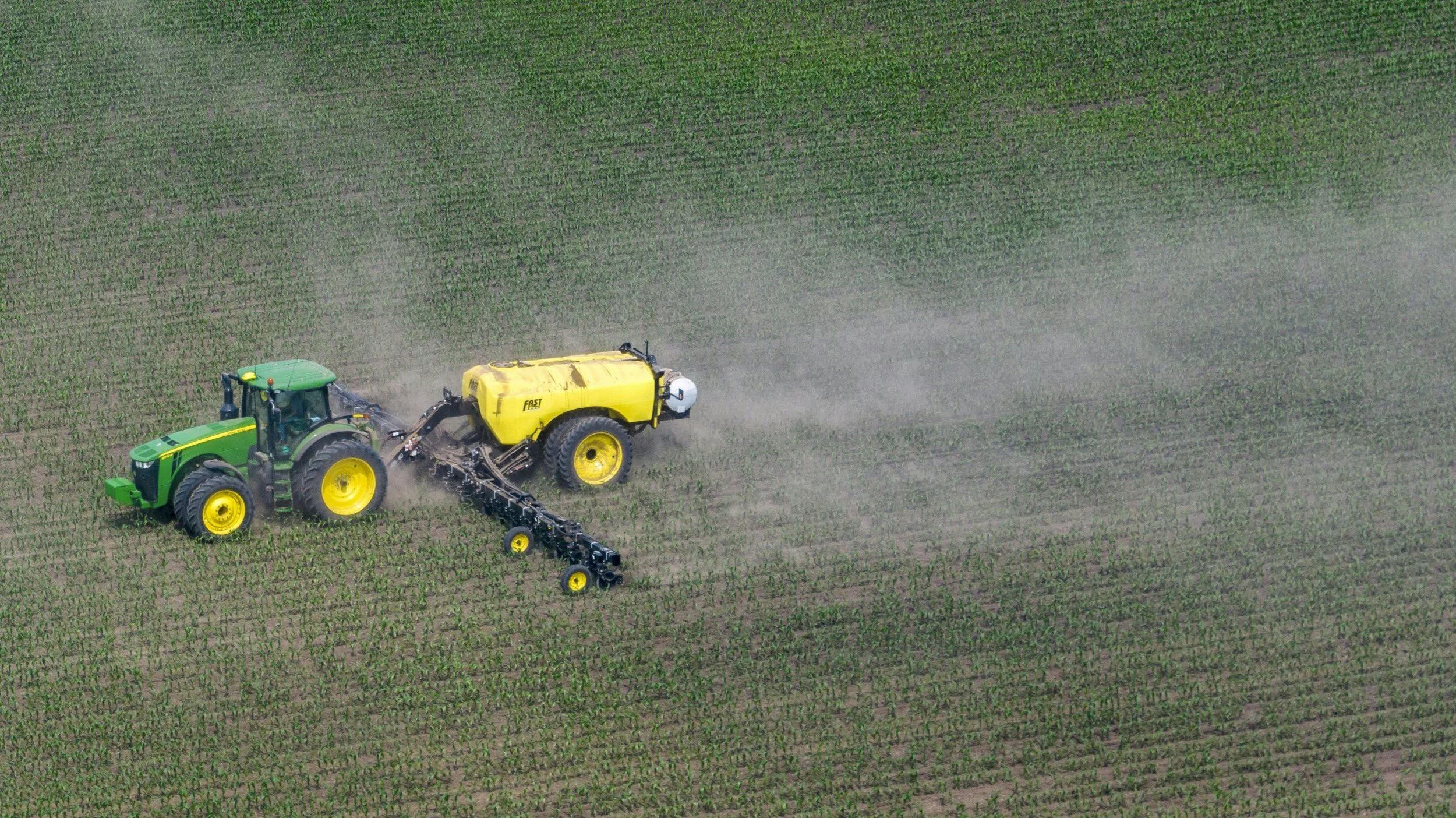
Europe's agricultural sector is facing mounting biological threats, from persistent fungal diseases devastating horticultural crops to soil-borne pathogens, nematodes, and climate-driven pest pressures reshaping growing seasons. As chemical pesticide options dwindle under increasingly strict EU regulations, the continent is turning to biopesticides as a mainstream alternative.
The European biopesticides market is projected to grow at 15% annually through 2030, fuelled by landmark policies including the EU Green Deal and Farm to Fork Strategy that are actively phasing out synthetic active ingredients. Biofungicides now represent the largest market share, stepping in as chemical fungicides are withdrawn, whilst biological soil treatments using microbial formulations are growing rapidly as farmers invest in soil health and regenerative practices.
Climate variability is compounding these challenges, altering pest lifecycles and expanding the range of harmful organisms into new regions, making Integrated Pest Management programmes essential rather than merely recommended. Germany leads adoption, backed by strong research infrastructure, whilst major players including BASF, Bayer, Syngenta, Koppert, and Corteva are investing heavily in biological R&D.
As biological risks intensify under a changing climate, Europe's regulatory shift toward biopesticides represents an imperative and a practical strategy for resilient agriculture.
https://www.marketsandmarkets.com/blog/FB/europe-biopesticides-market
Texas Expands Funding to Fight Oak Wilt as Spring Risk Season Begins

Texas A&M Forest Service is expanding its Oak Wilt Cost Share program, increasing financial and technical support for private landowners battling one of the most destructive tree diseases in the United States. Oak wilt has killed millions of trees across Central Texas, spread by sap-feeding beetles that carry fungal spores from mats forming under the bark of recently dead oaks to wounds on healthy trees.
The announcement coincides with the spring high-risk window from February through June, when beetle activity peaks and landowners are urged to avoid pruning oaks entirely. Cost-share funding covers trench installation to sever root-to-root transmission networks, as well as removal of diseased trees and infected red oaks that could form new fungal mats. With private landowners stewarding approximately 95% of Texas's forests, the program aims to shift the state from reactive management toward proactive containment, protecting both property values and the broader Central Texas landscape.
https://www.morningagclips.com/texas-am-forest-service-increases-funding-to-combat-oak-wilt-spread/
Funding
Young Innovators Tackle Invasive Species and Biological Threats to Prairie Waters

Image Credit: Calgray.tech/ AQUA ACTION
Canada's Prairie waterways face growing biological threats from invasive Prussian Carp and zebra mussels, to agricultural runoff degrading freshwater ecosystems. A recent Dragon's Den style pitch event in Calgary showcased emerging solutions from young entrepreneurs innovating in the space.
The AquaHacking Prairies Challenge finale, held at Calgary's Platform Innovation Centre, awarded over $35,000 in seed funding to teams developing real-world tools for water protection.
In particular alignment with the UpRoot mission, Consilience took the top prize of $20,000 with Drift-Eye Swarm, a system designed to detect and respond to invasive aquatic species through continuous, swarm-based monitoring. While Reverbio, in third place, developed a bio-acoustic underwater monitoring tool paired with AI that listens for the unique sound "fingerprints" of invasive species like Prussian Carp, goldfish, and zebra mussels.
NAID Solutions won the People's Choice award with a web-based app turning community reports into verified, geolocated invasive species data on an interactive map.
https://calgary.tech/2026/02/09/dragon-event-unprecedented-water-challenges-youthful-innovation/
Research
Pesticide Mixtures Found to Harm Soil Biodiversity
A new News and Views article in Nature by Barjesh K. Singh and Alexandre Pedrinho examines the policy implications and future research directions of findings from the Marcel van der Heijden group showing that pesticide mixtures, rather than individual compounds, cause significant harm to soil biodiversity. The authors argue that current regulatory frameworks, which assess pesticides in isolation, fail to account for the cumulative effects of chemical combinations as they are actually applied in the field.
Singh and Pedrinho call for a new regulatory framework that evaluates the combined impact of pesticide mixtures on soil ecosystems, acknowledging that while implementation will not be straightforward, it is crucial to safeguarding food security through judicious pesticide use, protecting human health, and preserving the soil biodiversity that underpins the survival of all terrestrial species.
The piece adds weight to growing scientific consensus that soil health, and the biological communities within it, must be central to agricultural policy, particularly as the sector navigates the transition toward more sustainable pest management practices.
https://www.nature.com/articles/d41586-026-00039-4.epdf?sharing_token=Y44xMQfYIbRKgWC2U-F_StRgN0jAjWel9jnR3ZoTv0P-oIBP-OS-7u-t6RXv_QZX6zxGqACpAG9QdXoqLF6dUpvGewzeepYfC3phQMLzW-PKzJenzKsvOxiUe8AIv4GtA1futHVOY96TrfQtVVxil9YPgT31DmXZtw8V5vRCEXw%3D
